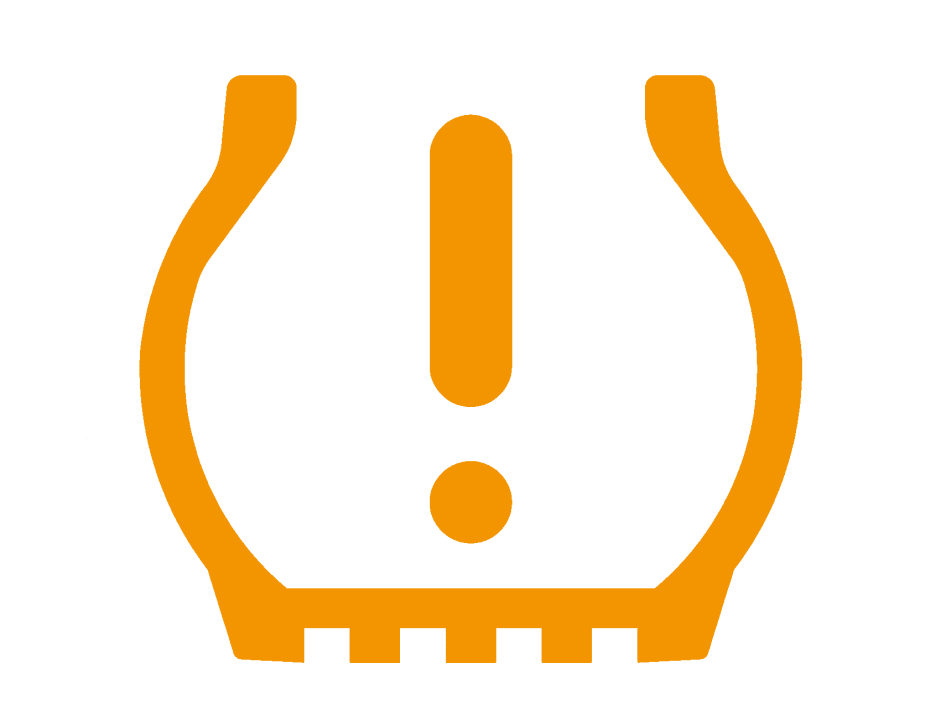
What does TPMS stand for?
TPMS stands for Tyre Pressure Monitoring System. It is a safety system fitted to modern vehicles that monitors tyre pressure and warns the driver if one or more tyres are under-inflated.
In simple terms, TPMS helps you know when there may be a problem with your tyre pressures before it becomes a bigger issue. A warning light on the dashboard is usually the first sign that something needs attention.
Why is TPMS important?
Driving with the wrong tyre pressure can affect how your vehicle handles, how quickly your tyres wear out and how much fuel your car uses. Low tyre pressure can also increase stopping distances and raise the risk of a tyre-related problem on the road.
That is why TPMS matters. It is there to give you an early warning so that you can correct the problem before it affects safety, performance or running costs.
How does TPMS work?
There are two main types of TPMS: direct TPMS and indirect TPMS.
Direct TPMS
Direct TPMS uses physical sensors fitted inside the wheels. These sensors monitor pressure and sometimes temperature, then send the data to the vehicle. If the pressure drops too low, the warning light comes on.
Indirect TPMS
Indirect TPMS does not use pressure sensors inside the wheels. Instead, it uses the vehicle’s ABS and wheel speed systems to detect changes in tyre rotation that may suggest low pressure.
Many vehicles use direct TPMS, which means that if a sensor fails, the system may need diagnosing, replacing or programming.
What does the TPMS warning light mean?
If your TPMS light comes on, it usually means one of two things:
- One or more tyres are below the correct pressure.
- There is a fault with a TPMS sensor or the monitoring system itself.
Sometimes the light comes on because the weather has changed and the pressure has dropped naturally. Other times, the issue may be a damaged sensor, a flat sensor battery or a system that needs reprogramming.
Can a TPMS sensor fail?
Yes. TPMS sensors do not last forever. Over time, the internal battery can run out, sensors can become damaged during tyre work, or the system may stop communicating correctly with the vehicle.
When that happens, the warning light may stay on even if your tyre pressures are correct. This is when proper diagnostics are important, because simply inflating the tyres will not solve a sensor fault.
Can TPMS sensors be replaced and programmed?
Yes. Faulty TPMS sensors can usually be replaced, but they often also need to be programmed to the vehicle properly. This is especially important on vehicles that require sensor IDs to be learned or written through specialist equipment.
At Fix My TPMS, we diagnose TPMS faults, supply replacement sensors and programme them correctly using professional equipment across London and Essex.
When should you get your TPMS checked?
You should get your TPMS checked if:
- Your TPMS warning light stays on.
- Your TPMS light flashes and then remains on.
- You have replaced tyres or wheels and now have a warning light.
- You suspect a faulty TPMS sensor.
- You are unsure whether the issue is tyre pressure or a system fault.
Need help with a TPMS warning light?
If your TPMS light is on and you are not sure why, we can help. We provide professional TPMS diagnostics, sensor replacement and programming across London and Essex, helping drivers get the correct fix without guesswork.